
The $ Billion Brand Built by Noticing One Small Thing
Jan 30, 2026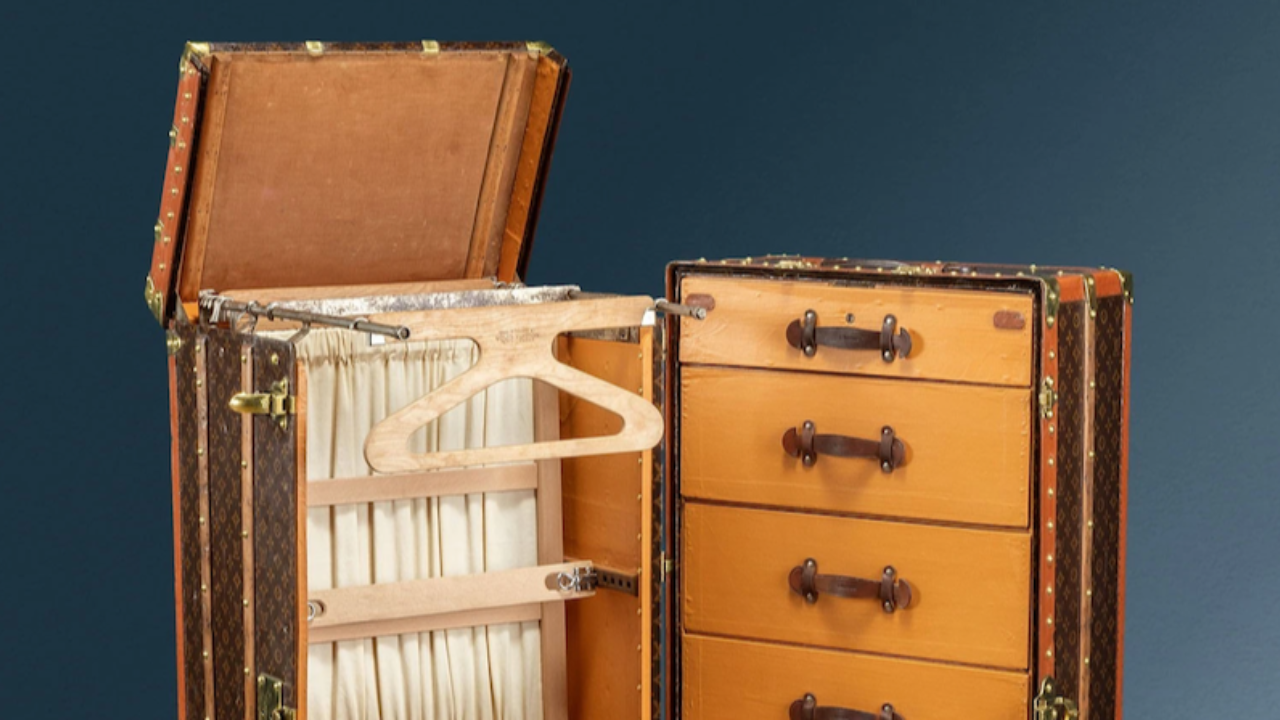
In 1835 if you were standing on a corner in Paris and saw a runaway 15 year old living off the streets, you probably wouldn’t have guessed that he was destined for success.
But this is the true story of how an unlikely young man created one of the most enduring, sought after, and recognizable brands in the world.
All because he noticed something other people didn’t.
Born in 1821 to a family of carpenters and farmers near the French/Swiss border, Louis grew up with little indication of his future success. However when he lost his Mother by age 10, things turned for the worse. Due to lack of opportunity and a difficult relationship with his stepmother, Louis left home at the age of 13 to make his fortune in the world.
His goal?
Paris.
At the time, taking an expensive carriage across the country was out of the question. So instead he walked the 300 mile journey, taking odd jobs along the way for food and shelter.
Simply getting to Paris took him 2 years. Would you have done something like that at age 13?

(Picture: If I had to walk to Paris, I’d look that upset too)
Once in Paris, he secured an apprenticeship under a prominent “layetier” or a box maker who made custom luggage, and travel cases. And for the rest of his youth and into his adult life, Louis gradually learned the precise art of making bespoke hand-crafted luggage for the Parisian elite.
But times were changing.
When Louis began his work in the 1830’s, horse drawn carriages were the most common form of transport. However as the industrial revolution steamed its way into the heart of France, trains soon roared across the countryside. Horse shoes gave way to train tracks, and horses were replaced with “horsepower”.
The way people packed for travel also changed.
That’s because in the days of horse drawn carriages, high-end luggage was crafted with rounded, and often domed, tops. But since carriages transported small amounts of people, the need to efficiently stack luggage at scale wasn’t an issue. And so the impractical, yet beautiful boxes continued to be popular.
But when trains and their ability to carry people in the hundreds forever revolutionized mass travel, all of a sudden trunks designed for horse drawn carriages, had to be stacked to make space. Rounded/domed boxes quickly proved unstable, tumbled, and fell. And when upscale travelers reached their destination, they often found their precious belongings shattered.
That’s when Louis had an idea.

(Picture: Louis and his “family” of employees.)
What if he could make luggage that was purely rectangular… and still elegant?
Sure, the frame would model a standard cargo crate. But if he could make it attractive, then it would be stackable and still draw an elite fashion conscious clientele.
Because clearly travel isn’t just about getting somewhere. Its about making others jealous as they watch you leave.
So much for sweat pants and neck pillows on planes these days…
And so Louis got to work.
Replacing the leather (that covered most travel cases) with canvas, he made trunks more durable and light weight. He also added bright colors, designs, and bespoke brass hinges and finishings which clearly set the cases apart.
His luggage wasn’t meant to just stack and survive. It was designed to shine.
And shine it did.

(Picture: This LV classic can be yours for a mere $49,000)
Soon, Parisian elite were traveling the world over with his designer luggage. And wherever they went, the craze caught on. In 1859, Louis…. known as Louis Vuitton… opened his own luggage workshop in a suburb of Paris, initially employing 20 artisans.
Today, you would be hard pressed to walk the streets of 5th Avenue in New York, Rodeo drive in Beverly Hills, or the high streets of London and Paris and not see the LV adorned purses draping the shoulders of the latest haute couture devotees.
Or at least people who want you to think they are…
Sure, the colorful leather wallets and glittery necklaces of today are a far cry from the indestructible yet innovative travel cases of 1859, (I just looked at the Louis Vuitton website and my goodness the prices are insane)… but at their core is a single message:
Louis noticed something others didn’t.
In a time where travel was becoming easier and more affordable, he saw that people wanted to make a statement.
And so he created a way for them to do that.
Which brings us to you.
As you serve people, what are you noticing? When you hear people describe what they want, what are the hidden patterns that others are missing? More importantly, what do you want to do about it?
If you solve a service need, you create a transaction. But when you solve an emotional need? You create an evangelist who wants to tell everyone about you.
So this week, what emotional need in others do you want to solve a little bit better?
You’ll soon find that’s an idea that really stacks up.
Just ask Louis Vuitton.
Christian
CHRISTIAN HANSEN has gone behind the scenes in some of the biggest organizations in the world to find out the reasons why some people get chosen and why others don’t. As the #1 bestselling and LinkedIn Top Ten ranked author of “The Influence Mindset: The Art & Science of Getting People to Choose You” Christian helps teams and organizations who want to stand out and be the obvious choice. With degrees from Brigham Young University and The London School of Economics, he’s helped thousands of individuals position and sell themselves. A fan of international communication, history, and choral music, he currently lives in Utah with his wife. Reach him at: TheChristianHansen.com
Its Like Getting a 1-1 Coaching Session
Delivered to Your Inbox.
Join our mailing list to receive weekly Influence Insights that will make you the obvious choice to Decision Makers.
Don't worry, your information will not be shared.
We hate SPAM. We will never sell your information, for any reason.

